
However, some people may qualify for limited support through SSI and California’s Optional State Supplement (OSS), which can help offset part of the cost if you meet strict income and asset limits. In addition, Medi-Cal may help with certain care services through waiver programs, but it usually does not cover full assisted living costs. As a result, many seniors still rely on personal savings, family support, or private care arrangements to bridge the gap.
If you or a loved one need reliable, affordable in-home care instead of costly assisted living, Age Well Care can help you stay safely at home with professional, compassionate support.
📞 Call (805) 900-0829 today to discuss your care needs and get personalized assistance.
How Supplemental Security Income (SSI) and State Programs Help With Assisted Living Costs
Many seniors in California rely on Social Security Administration’s Supplemental Security Income (SSI) as a basic financial safety net. SSI is designed for people who have limited income and assets, including older adults and individuals with disabilities. While SSI alone is usually not enough to cover the full cost of assisted living, it can provide a small monthly payment that helps reduce financial pressure.
In California, SSI recipients may also qualify for the Optional State Supplement (OSS), which adds extra funds on top of federal SSI payments. This combined amount is intended to help low-income seniors living in non-medical residential facilities, including some assisted living communities. However, the payment is capped and often falls far below the actual market rate for assisted living, especially in high-cost areas like Los Angeles, San Diego, and the Bay Area.
Eligibility for SSI and OSS is strict. Applicants must meet income limits, asset thresholds, and residency requirements. Savings, property ownership, and even some retirement benefits can affect eligibility. Because of this, many seniors who appear financially vulnerable may still not qualify. Additionally, not all assisted living facilities accept residents who rely on SSI and OSS, since reimbursement rates are low.
For families, this means careful planning is essential. Understanding how SSI and state supplements work can help you estimate realistic care options early, avoid financial surprises, and explore alternatives such as shared housing, family caregiving, or in-home support when assisted living becomes unaffordable.
Does Medi-Cal Cover Assisted Living or Long-Term Care in California?
Medi-Cal, California’s version of Medicaid, is administered through the California Department of Health Care Services and operates under federal oversight from the Centers for Medicare & Medicaid Services. While Medi-Cal plays a major role in long-term care, it does not typically pay for full assisted living expenses such as rent, meals, or facility fees.
Instead, Medi-Cal may cover certain personal care and medical services through special waiver programs, most notably the Assisted Living Waiver (ALW). This program helps eligible seniors receive care services in approved residential communities as an alternative to nursing homes. However, availability is limited, waitlists are common, and not all counties participate.
Even when someone qualifies for Medi-Cal support, families often still need to pay privately for housing and non-medical services. This creates a financial gap that can be difficult to manage, especially for middle-income seniors who do not qualify for full assistance but cannot afford private-pay assisted living.
Understanding Medi-Cal’s limitations is critical. Many families assume it will function like Medicare or private insurance and cover most costs, only to discover that coverage is partial. Planning ahead, consulting benefits specialists, and reviewing waiver eligibility early can help avoid delays in care and unexpected expenses.
In-Home Care vs Assisted Living: Which Is More Affordable With Social Security?
For many seniors living on Social Security, assisted living simply exceeds their monthly budget. In California, assisted living costs often range from $4,000 to $7,000 per month or more, while the average Social Security benefit is far lower. This financial mismatch forces many families to consider in-home care as a more realistic alternative.
In-home care allows seniors to remain in their own homes while receiving help with daily activities such as bathing, dressing, meal preparation, medication reminders, and mobility support. Because care is customized, families only pay for the hours they need, making it more flexible and often more affordable than full-time residential care.
When Social Security is combined with small pensions, SSI, or family support, in-home care can become a sustainable long-term solution. It also avoids additional costs associated with moving, facility fees, and lifestyle adjustments that often come with assisted living. For many seniors, staying in a familiar environment improves emotional wellbeing and reduces stress.
Another advantage is scalability. As care needs increase, families can gradually add more hours instead of relocating to a higher-cost facility. This approach provides better financial control and allows seniors to age in place with dignity. For individuals relying mainly on Social Security income, in-home care is often the most practical and cost-effective path to long-term support.
Why Age Well Care Is the Trusted Alternative to Assisted Living in Santa Barbara
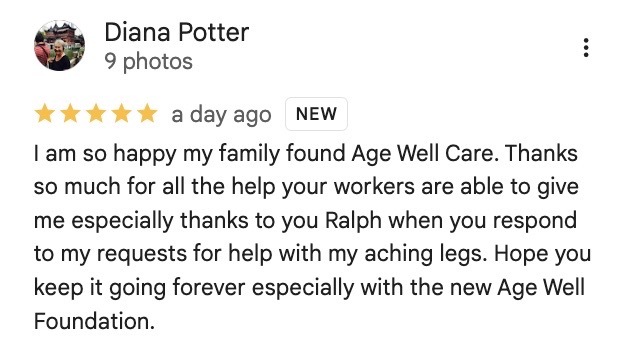
When assisted living becomes too expensive or restrictive, many families begin searching for a more personal, flexible, and affordable option. This is where Age Well Care stands out. Instead of forcing seniors to relocate into institutional settings, Age Well Care focuses on helping older adults remain safely and comfortably in their own homes, surrounded by familiar routines, memories, and loved ones.
One of the biggest advantages of choosing in-home care through Age Well Care is cost control. Unlike assisted living facilities that charge fixed monthly fees, in-home care is tailored to each client’s actual needs. Whether someone requires a few hours of daily support or full-day assistance, families only pay for the care that is truly necessary. This makes it far more manageable for seniors relying mainly on Social Security, pensions, or limited savings.
Quality of care is another major reason families choose Age Well Care. Caregivers are carefully selected, trained, and matched to each client’s personality and lifestyle. Support goes beyond basic tasks. It includes companionship, emotional support, mobility assistance, personal hygiene, medication reminders, meal preparation, and light housekeeping. This holistic approach helps seniors maintain both physical health and mental wellbeing.
Staying at home also promotes independence and dignity. Many seniors struggle emotionally when moving into assisted living, especially when it feels rushed or financially driven. With in-home care, they keep control over their daily routines, sleeping schedules, meals, and social activities. This sense of autonomy often leads to better long-term outcomes and higher life satisfaction.
For families, Age Well Care provides peace of mind. Regular communication, care coordination, and professional oversight ensure that loved ones are safe and supported at all times. Instead of juggling multiple providers or worrying about facility standards, families have a single, reliable partner they can trust.
If you are exploring alternatives to assisted living and want compassionate, affordable, and personalized care at home, Age Well Care is ready to help. 📞 Call (805) 900-0829 today to speak with a care specialist and get a customized care plan for your loved one.